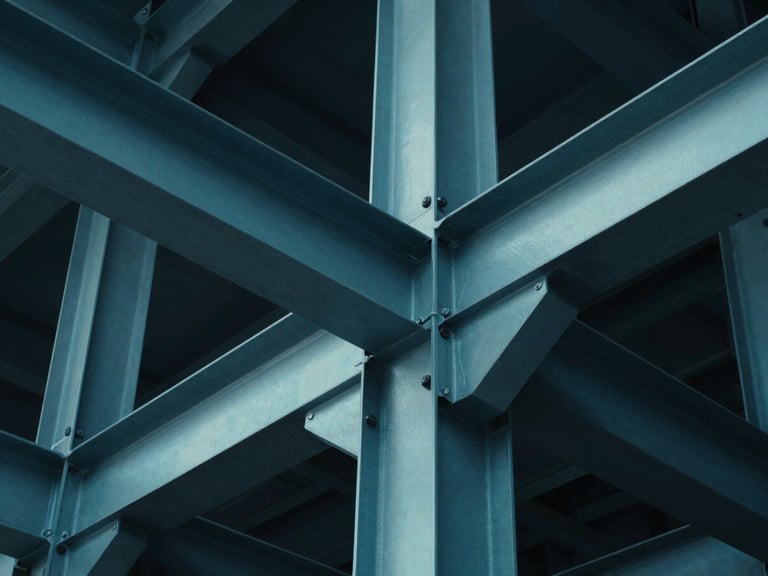
Extreme low-angle architectural photograph of a complex structural steel joint, cool cyan ambient light reflecting off sharp metallic edges, deep shadows, 35mm lens, ultra-sharp details
/ Computational Physics

Uncompromising structural geometries.

We integrate generative machine learning algorithms with traditional physics-based structural modeling to validate complex architectural geometries that legacy engineering firms deem unbuildable.

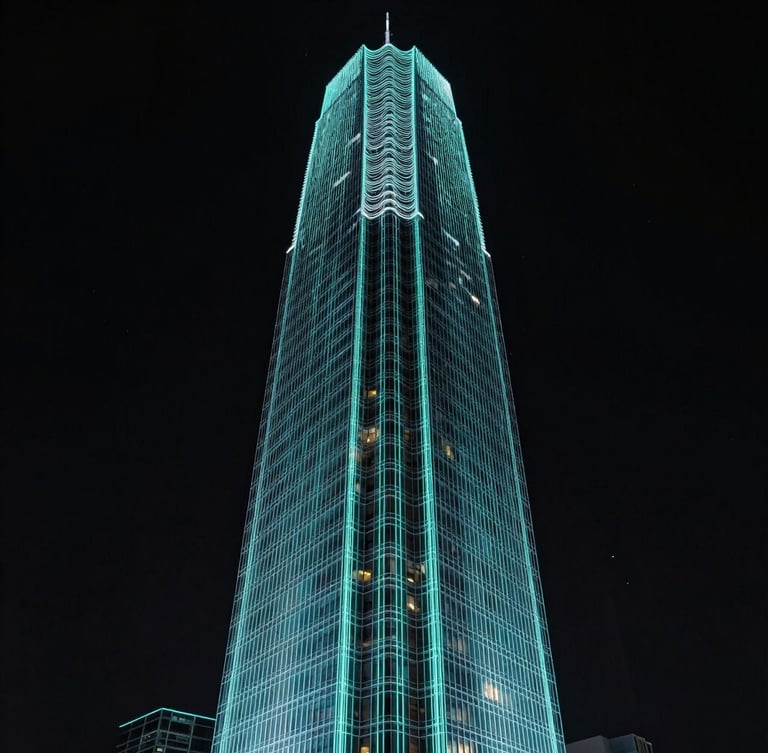
A high-resolution digital twin wireframe model of a modern skyscraper showing structural stress points in glowing cyan lines over an obsidian background, high-contrast chiaroscuro
Algorithmic Load-Paths

Beyond traditional grid-lines

Standard civil engineering forces organic forms into rigid, inefficient grid-lines. Our computational algorithms calculate stress distribution along fluid, natural paths, significantly reducing concrete massing while maximizing load-bearing capacity.

By translating complex architectural geometries into optimized load-bearing networks, we bridge the gap between speculative design and physical reality.

The Synthesists

Led by computational minds

Er Tushar Kuril

Physics-first methodology

Founder and Chief Computational Engineer. Formerly an aerospace structural analyst, Dr. Xi specializes in deploying machine learning algorithms for advanced stress-distribution and hyper-efficient concrete massing.

Our multidisciplinary team combines academic research with rigorous software development, ensuring that every generative model we produce is fully validated by empirical structural physics.